How Extreme Weather Is Changing Communities
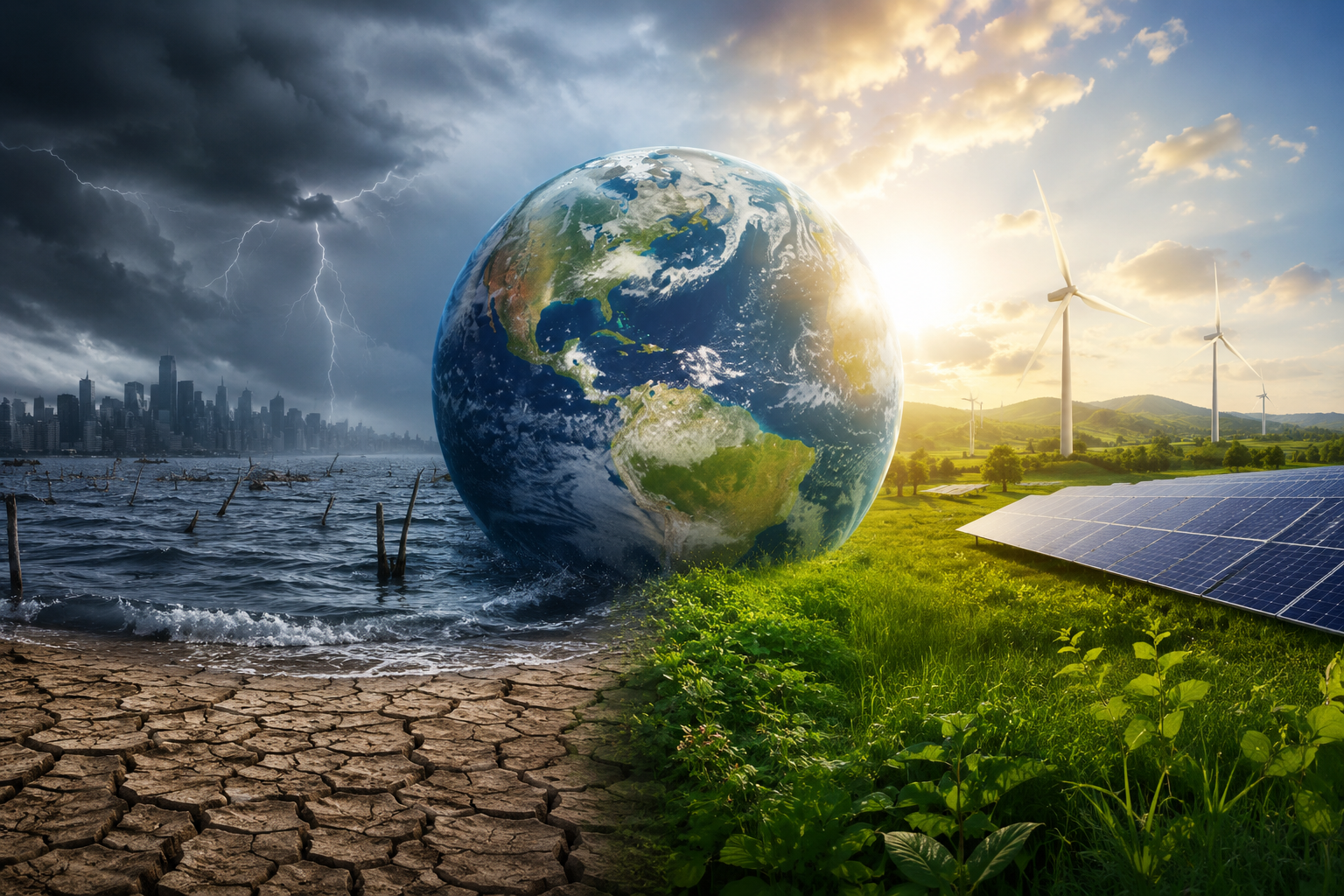
Extreme weather is no longer only an environmental concern; it is changing how communities live, work, produce food, run businesses, and plan for the future. Floods, heatwaves, droughts, wildfires, and severe storms can damage homes, infrastructure, farms, schools, healthcare facilities, and local economies.
The Problem
Climate change is increasing the risks associated with many extreme-weather events. However, the level of damage also depends on how prepared communities are.
Flooding can displace families and destroy businesses. Drought can reduce agricultural production and threaten water supplies. Extreme heat can affect health and productivity, while storms can disrupt electricity, transportation, education, and essential services.
The poorest and most vulnerable communities can face greater difficulties recovering because they may have fewer financial resources, weaker infrastructure, or limited access to emergency support.
What Should Governments Do?
Governments should move from simply responding to disasters to preparing before they happen. This includes:
- Investing in stronger drainage, roads, housing, hospitals, schools, and other climate-resilient infrastructure.
- Developing effective early-warning and emergency-response systems.
- Protecting forests, wetlands, waterways, and green spaces.
- Supporting climate-smart agriculture and water management.
- Ensuring climate policies have funding, measurable targets, and accountability.
What Can Businesses Do?
Businesses should understand how extreme weather could affect their employees, buildings, supply chains, customers, and operations.
They can develop emergency plans, improve energy and water efficiency, reduce waste, protect employees during extreme weather, diversify supply chains, and invest in more sustainable practices.
Sustainability should become part of business strategy and risk management, not simply a marketing message.
What Can Communities and Individuals Do?
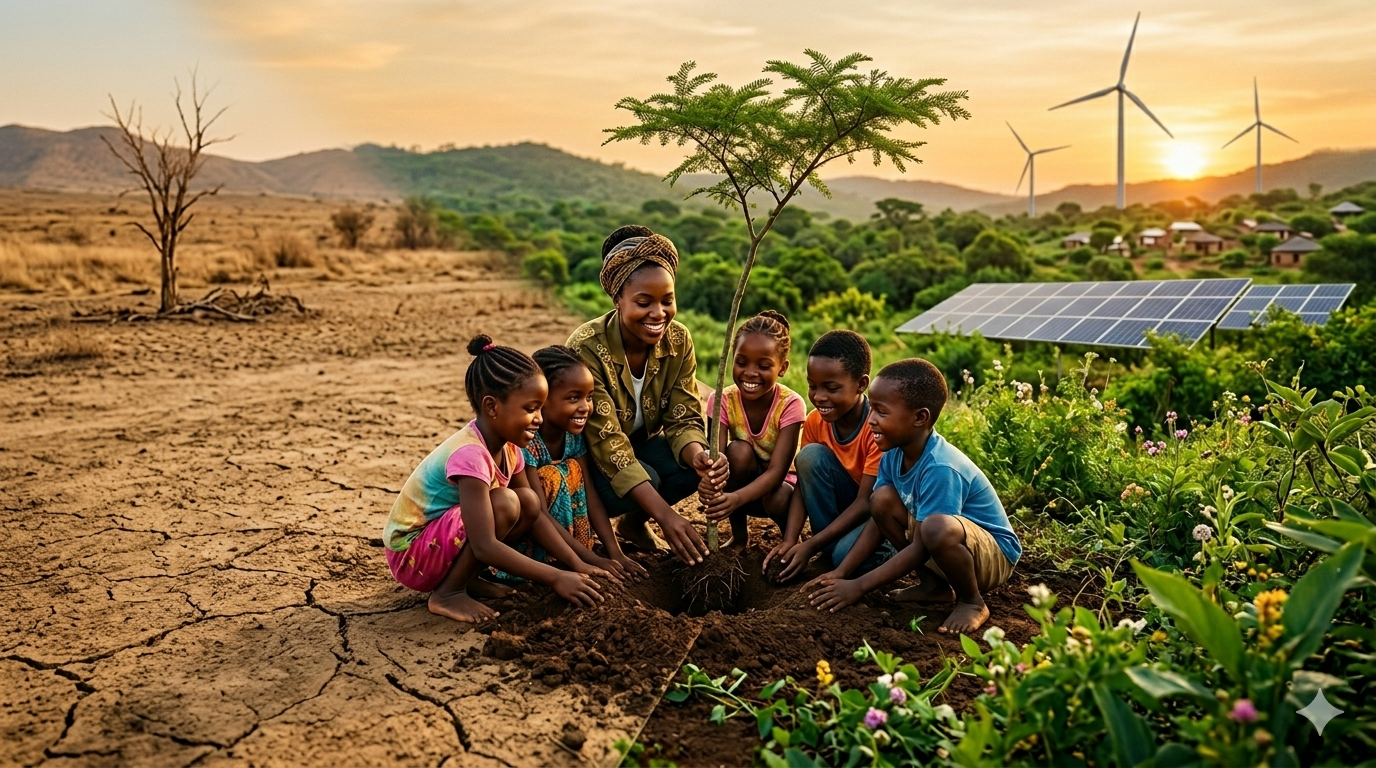
Communities can identify local climate risks, keep drainage areas clear, plant and protect trees, participate in environmental projects, support vulnerable residents, and develop community emergency plans.
Individuals can conserve resources, reduce unnecessary waste, learn about local climate risks, support sustainable initiatives, and share reliable climate information with others.
Most importantly, people should participate in conversations and decisions about the future of their communities.
Building a More Resilient Future
Climate action requires both mitigation and adaptation. Mitigation reduces greenhouse gas emissions that drive climate change, while adaptation helps communities prepare for impacts that are already happening or may occur in the future.
Governments cannot solve the problem alone. Neither can businesses, communities, or individuals.
Everyone has a role.
The question is no longer simply, “Is climate change affecting our communities?”
The better question is:
“What can governments, businesses, communities, and each of us do today to make our communities safer and more resilient tomorrow?”
Knowledge creates awareness. Awareness creates responsibility. And responsibility must lead to action.