Climate change refers to long-term changes in the Earth’s temperature, weather patterns and climate systems. Although the climate has changed naturally throughout history, today’s rapid warming is mainly caused by human activities, especially the burning of fossil fuels such as coal, oil and gas.
These activities release greenhouse gases, including carbon dioxide and methane, into the atmosphere. Deforestation, industrial production, agriculture and waste also contribute to rising emissions. These gases trap heat and increase global temperatures.
It is important to understand the difference between weather and climate. Weather refers to the short-term conditions, such as rain, sunshine, wind, or temperature, on a particular day. Climate refers to average weather patterns over a long period, usually 30 years or more.
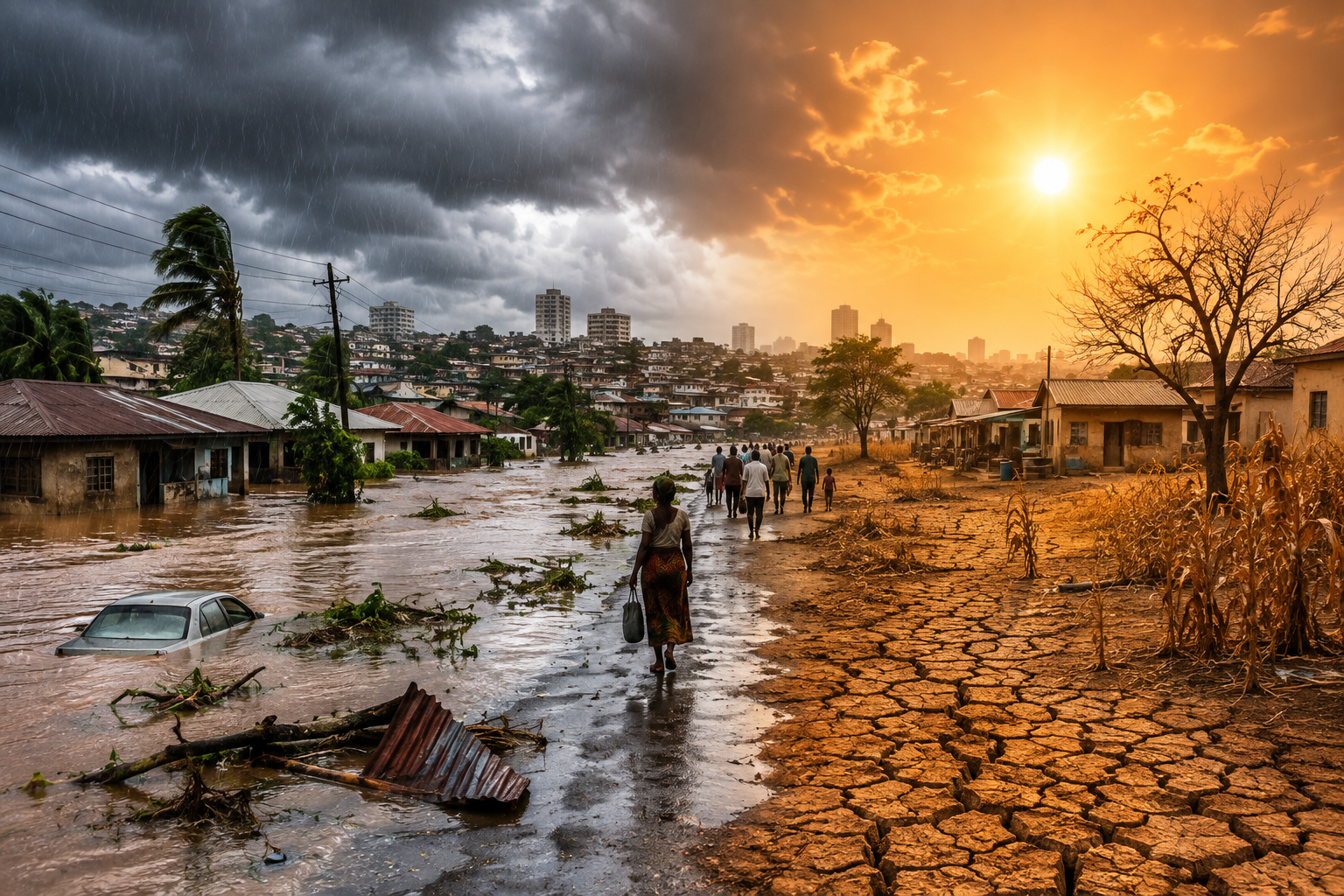
Climate change affects countries in different ways. In Nigeria, it contributes to flooding, drought, desertification, food insecurity and displacement. These problems affect agriculture, livelihoods and economic development. In the United Kingdom, climate change is linked to increasing heatwaves, flooding, rising sea levels and changing weather patterns, affecting public health, infrastructure and ecosystems.
Climate change is therefore not only an environmental problem. It is also an economic, social and development challenge.
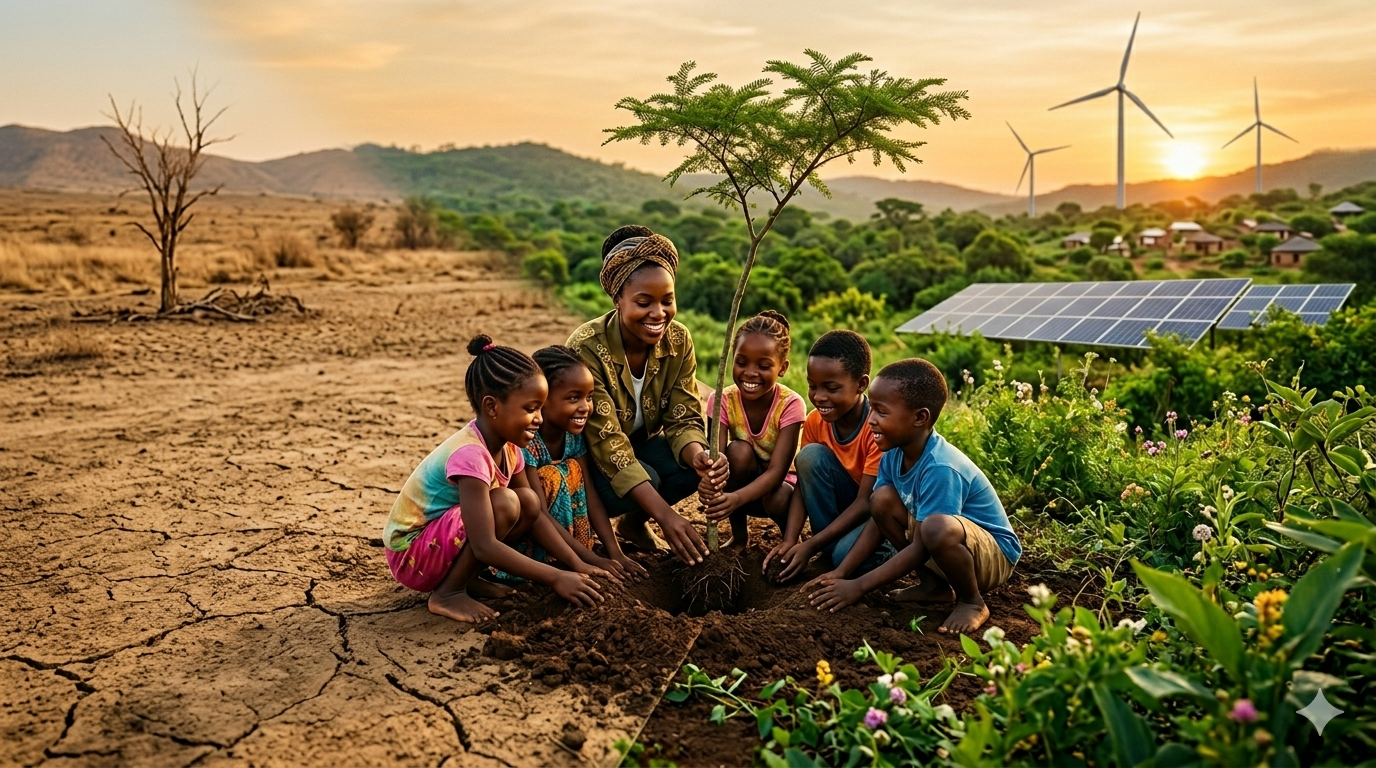
Addressing it requires both mitigation and adaptation. Mitigation means reducing greenhouse gas emissions through renewable energy, energy efficiency, forest protection and sustainable transportation. Adaptation means preparing communities for climate impacts through flood defences, improved drainage, climate-resilient agriculture, early-warning systems and better infrastructure.
Governments have a responsibility to introduce effective climate policies and invest in sustainable development. Businesses should reduce waste, improve energy efficiency, adopt cleaner technologies and ensure that sustainability commitments are genuine and measurable.
Communities and individuals also have important roles. Reducing waste, conserving energy, protecting the environment and participating in climate initiatives can contribute to wider change.
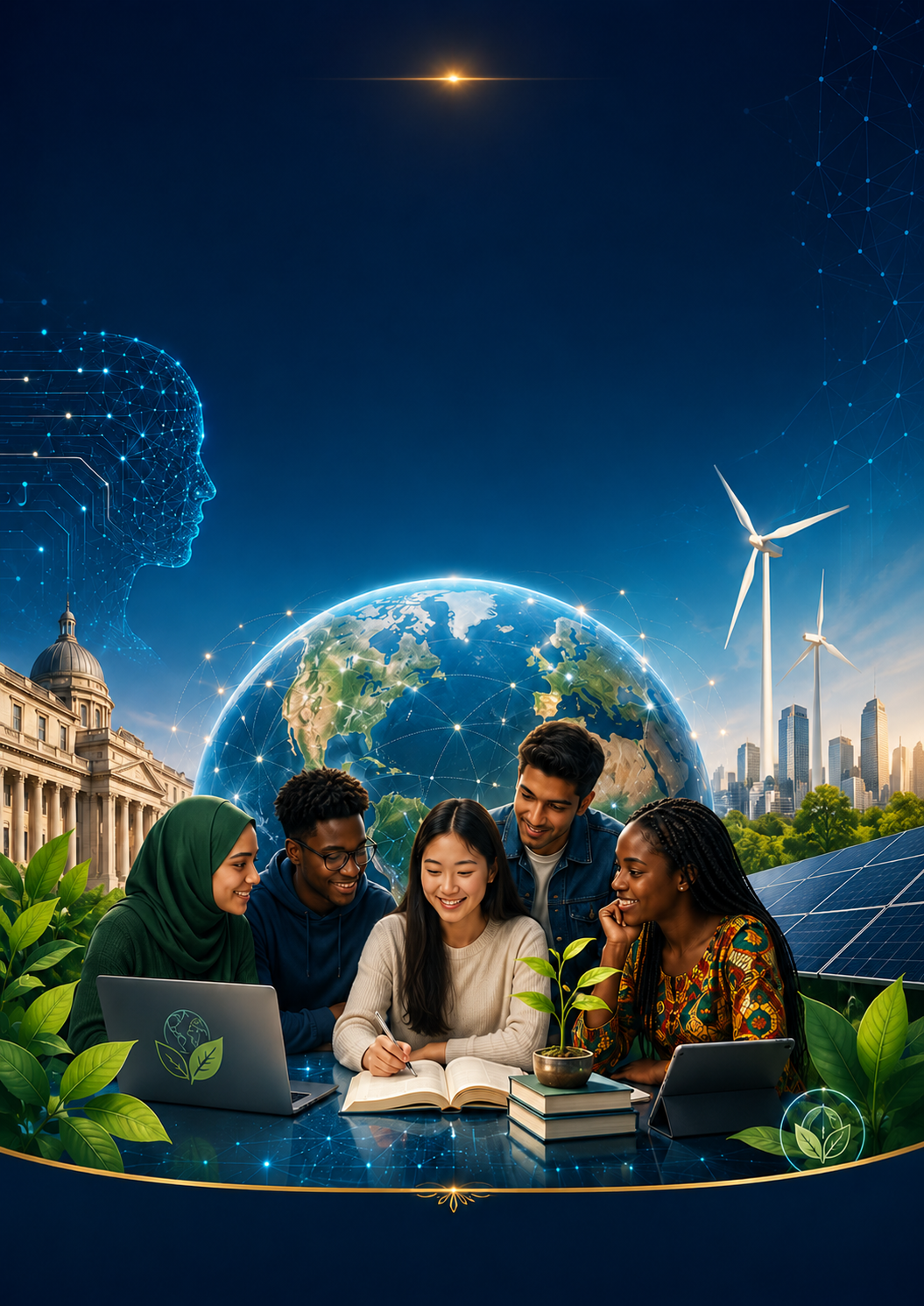
Climate education is equally important. People need to understand how climate change connects with food, health, employment, business, technology and everyday life.
Climate change is a global challenge, but solutions must also happen locally. By combining strong policies, responsible businesses, community participation, education and innovation, societies can build a more resilient and sustainable future.
Protecting the climate means protecting people, livelihoods, economies and the future generations who will inherit the decisions we make today.